Project · Founder
nene.org
Community science, field tools and advocacy for Hawaiʻi’s state bird. Founded in 2022.
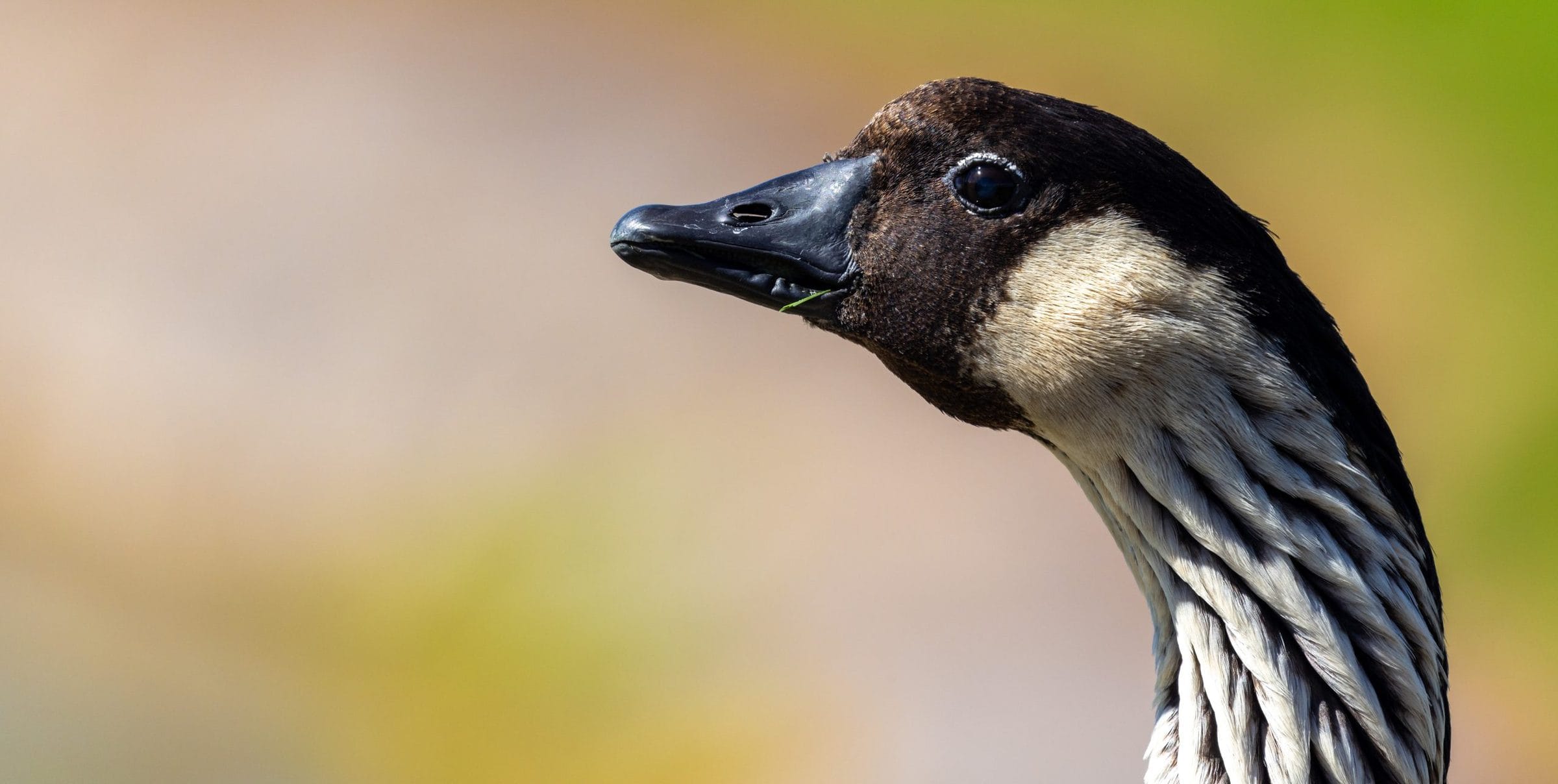
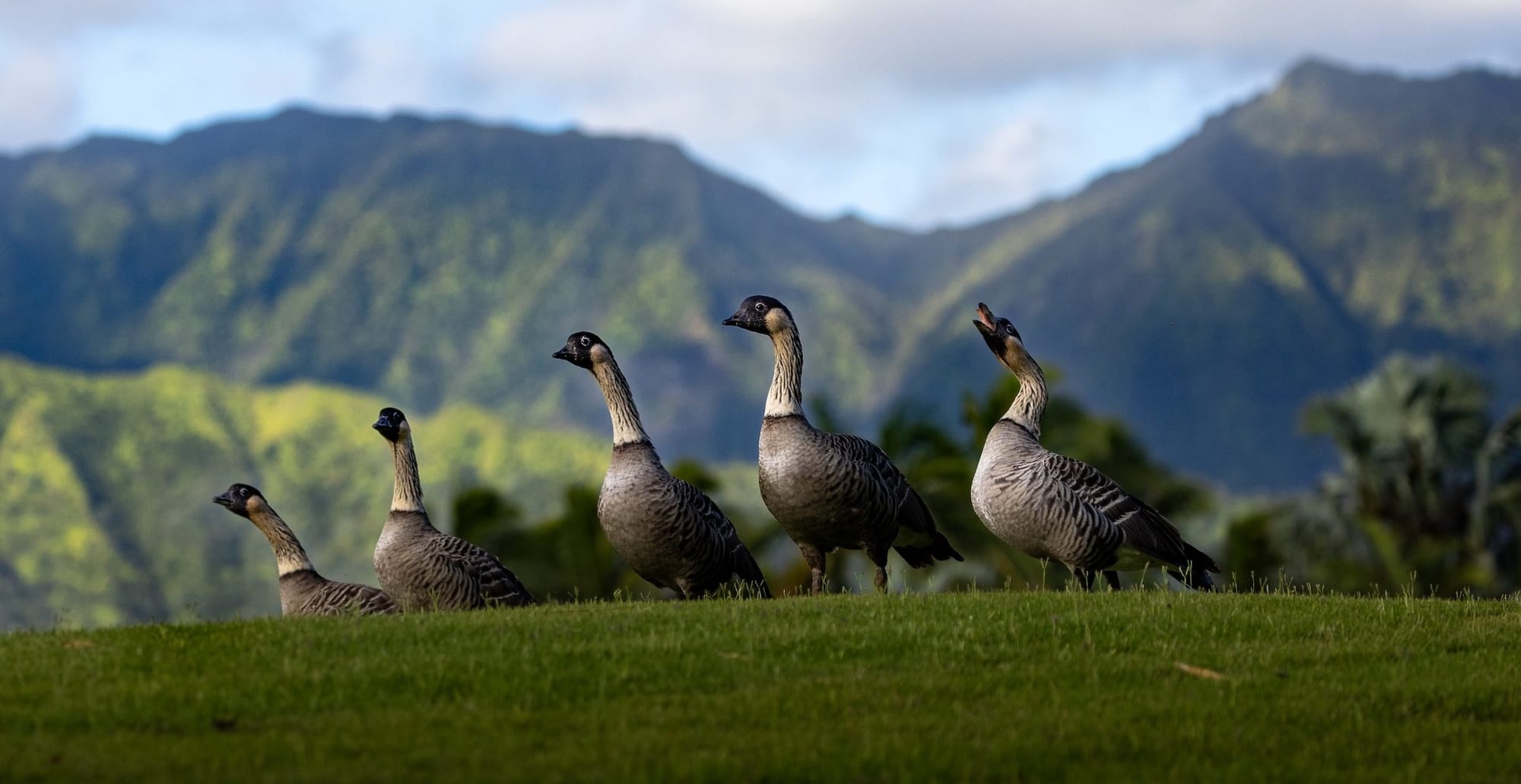
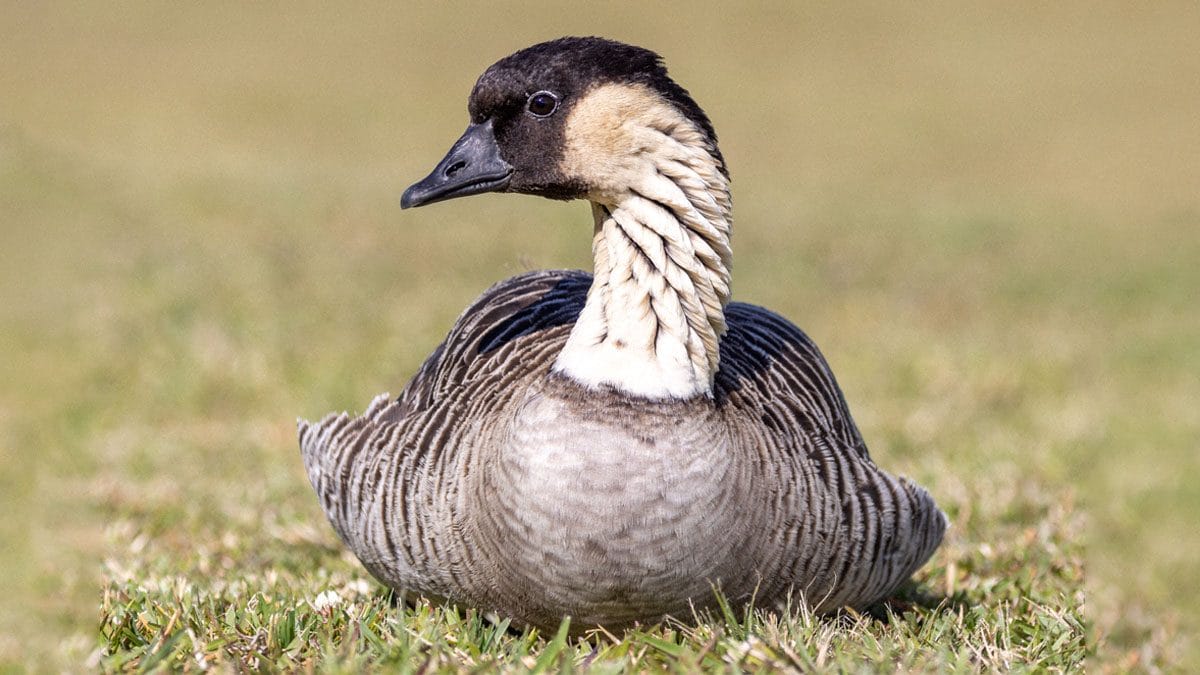
Nēnē (Branta sandvicensis) are Hawaiʻi’s state bird and the world’s rarest goose. They came back from roughly 30 wild birds in 1949 to about 4,323 across the islands in 2025 (NRAG count). Holding onto that gain takes predator control that never stops, drivers who slow down, and a lot of eyes on the ground.
In 2022 I founded nene.org with Ariel Imoto, starting as a side project: pulling scattered nēnē sightings into one place that biologists, landowners and the public could actually use. It grew into Nēnē Research and Conservation, a 501(c)(3) nonprofit that works alongside USFWS, DOFAW, refuges, parks and private landowners on the day-to-day recovery of nēnē.
Counts from nene.org, October 2026.
The problem
Nēnē adapted to golf courses, parks, ranches and roadsides, and that brought them into contact with modern threats: speeding cars, mongooses, and feral cat colonies. Nēnē developed a taste for the cat food left at feeding stations, which pulls them toward colonies, into parking lots, and into contact with toxoplasmosis, a parasitic disease spread in cat feces that can be fatal to nēnē.
What nene.org does
- Community science. Anyone can report a sighting with a photo, a date and a location. Banded birds, goslings and birds in unusual places are the most useful. Those reports become a dataset managers use to track individual birds and family groups statewide.
- Incident reporting. A nēnē that was hit, hurt or harassed can be reported so the right agency can act.
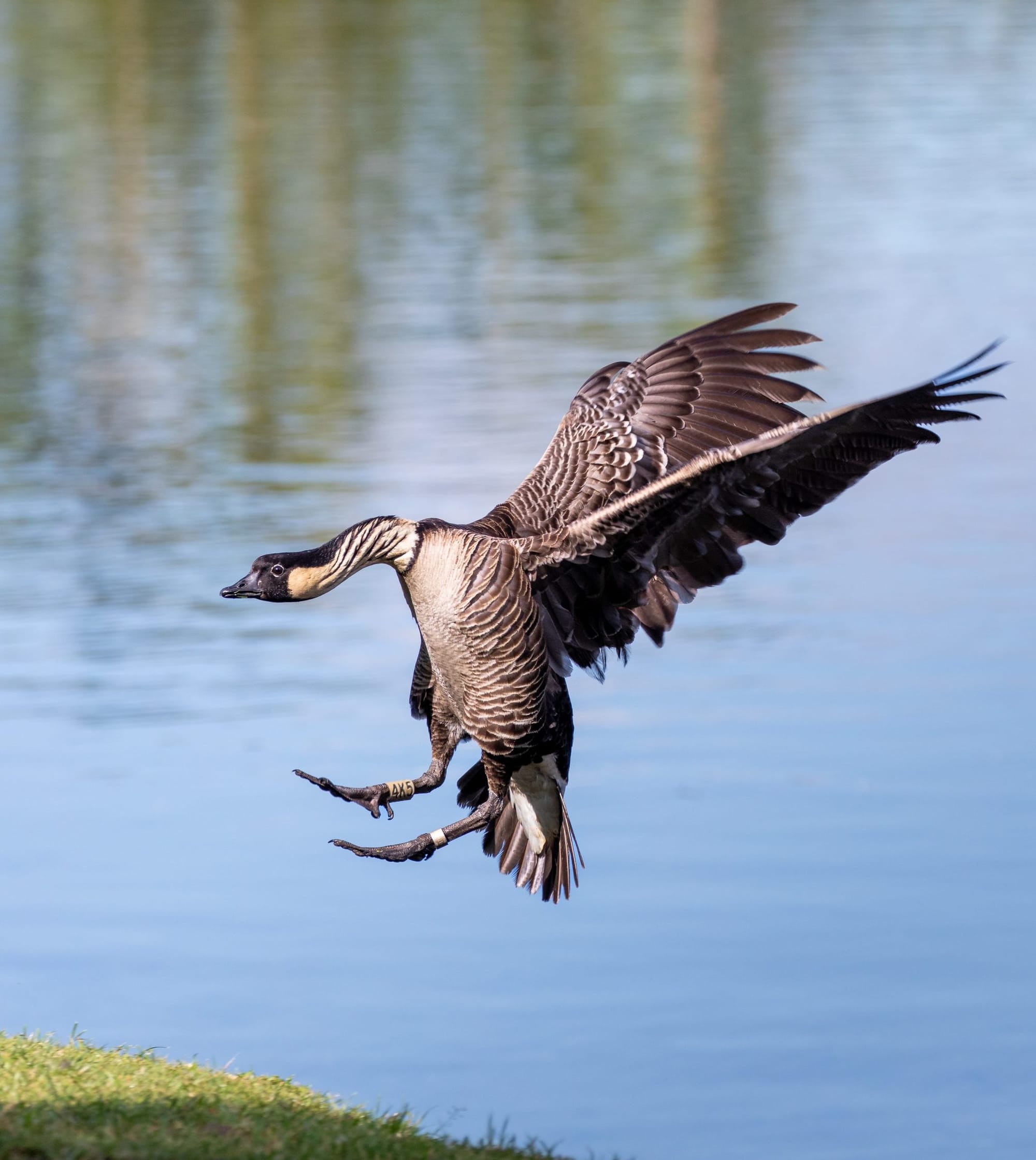
- Band-reading app. An app that uses AI to identify a bird from a photo of its band, so biologists can pull up that nēnē’s life history during a survey.
- Remote cameras. Cameras on Hawaiʻi Island send images in real time to nene.org’s server, which logs the band number and updates the bird’s profile with the location.
- FeralMap. A community science platform for reporting feral cats, and now other introduced species like pigs and mongooses, published in a publicly accessible database.
- Mongoose trapping. Year-round trapping with volunteers at the Mauna Lani resort and nearby golf course nesting sites, including elevated traps imported from New Zealand.
“People see nēnē every day. People see mongoose and cats and pigs every day. What we wanted to do was to create a way for folks to easily be able to share what they’re seeing.”Jordan Lerma, in Audubon Magazine
Outcomes
Keaukaha speed limit, 2023. Nēnē were repeatedly killed by cars on a busy road bordering a restoration area near Hilo. I set up six custom speed monitors for ten days; of 5,000 cars recorded, 81 percent were over the limit. After the data went to the county, the limit on Kalanianaʻole Street dropped from 35 to 25 mph within two months, followed by raised crosswalks and speed tables. Audubon reported no nēnē have been killed there since.
Feral cat feeding. Hawaiʻi County passed a bill in 2025 fining people who feed feral animals on county property.
Nesting protections. New protections for nēnē nesting at Liliʻuokalani Gardens in Hilo, December 2025.
Mauna Lani. Trapping led to successful nesting seasons at the resort in 2024 and 2025.
Press
- October 1, 2026 · Audubon Magazine: The Nēnē Survived Near-Extinction. Can It Survive Modern Hawaiʻi?
- May 24, 2026 · Hawaiʻi Tribune-Herald: Nene goslings take flight after surviving in Hilo park
- December 30, 2025 · Earth Island Journal: Saving Hawaiʻi’s Last Native Goose
- December 11, 2025 · Big Island Video News: New Protections For Nēnē Nesting At Liliʻuokalani Gardens
- November 21, 2024 · Honolulu Civil Beat: New Feral Cat Colony Map Could Save Hawaii’s Native Birds — But It’s Secret
- August 8, 2023 · Big Island Now: Speed limit reduced on Kalaniana‘ole Street in Hilo to protect nēnē — and pedestrians
Today
I stepped down as executive director in early 2026 to lead the Protected Species Program at DLNR’s Division of Aquatic Resources. Ariel Imoto now leads Nēnē Research and Conservation as executive director, and I still volunteer.